Get Your Customized Meal Plan Today

In a world where convenience often trumps nutrition, many people struggle to maintain a healthy diet. Whether you're trying to lose weight, gain muscle, or simply eat better, a customized meal plan can be your secret weapon. Tailoring your meals to fit your unique needs not only simplifies your grocery shopping but also ensures that you are nourishing your body effectively.
Why You Need a Customized Meal Plan
Understanding Your Goals
Before diving into the specifics of meal planning, it's essential to understand your personal health goals. Are you looking to:
Lose weight?
Build muscle?
Improve your overall health?
Manage a medical condition?
Identifying your goals will help shape your meal plan and ensure it aligns with your lifestyle.
The Benefits of a Customized Meal Plan
Personalization: A meal plan tailored to your preferences and dietary restrictions can make healthy eating enjoyable.
Time-Saving: Planning your meals in advance can save you time during the week, reducing the stress of last-minute cooking.
Cost-Effective: By planning your meals, you can avoid impulse purchases and reduce food waste.
Nutritional Balance: A well-structured meal plan ensures you get the right balance of macronutrients and micronutrients.
How to Create Your Customized Meal Plan
Step 1: Assess Your Dietary Needs
Start by evaluating your current diet. Consider factors such as:
Caloric Needs: Use an online calculator to determine how many calories you need based on your age, gender, weight, height, and activity level.
Macronutrient Ratios: Depending on your goals, you may want to adjust your intake of carbohydrates, proteins, and fats.
Step 2: Choose Your Foods
Once you know your dietary needs, it's time to select foods that fit within those parameters. Here are some examples:
Proteins: Chicken, fish, tofu, legumes
Carbohydrates: Quinoa, brown rice, sweet potatoes, whole grains
Fats: Avocado, nuts, olive oil, seeds
Fruits and Vegetables: Aim for a variety of colors to ensure a range of nutrients.
Step 3: Plan Your Meals
Now that you have your food list, start planning your meals. Here’s a simple framework to follow:
Breakfast: Focus on a balanced meal that includes protein, healthy fats, and carbohydrates. For example, oatmeal topped with nuts and berries.
Lunch: Create a hearty salad with a protein source, a variety of vegetables, and a healthy dressing.
Dinner: Opt for a lean protein, a whole grain, and plenty of vegetables. For instance, grilled salmon with quinoa and steamed broccoli.
Snacks: Keep healthy snacks on hand, such as Greek yogurt, fruit, or nuts.
Step 4: Prepare Your Meals
Meal prep can be a game-changer. Dedicate a few hours each week to prepare your meals in advance. Here are some tips:
Batch Cooking: Cook large portions of grains and proteins that can be used throughout the week.
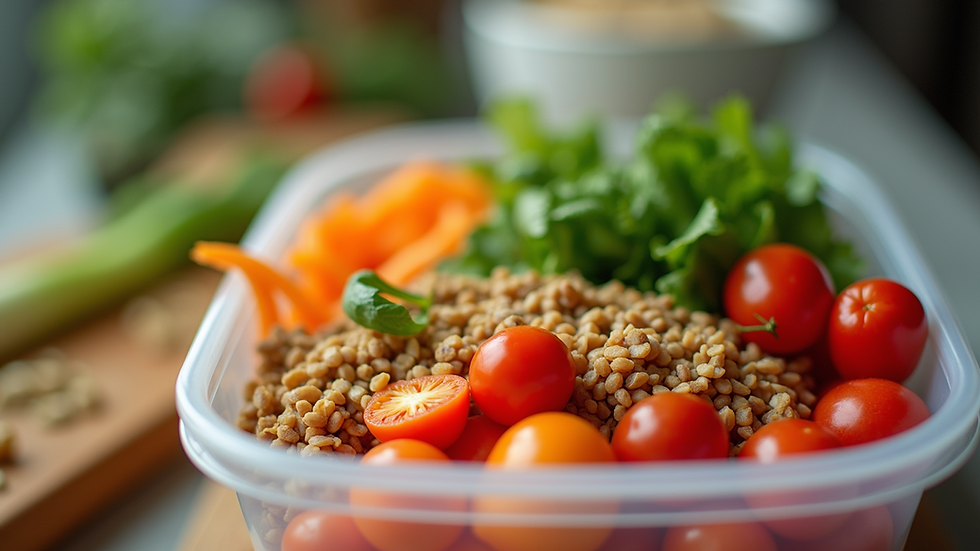
Storage: Use clear containers to store your meals, making it easy to grab and go.
Labeling: Label your containers with the date and contents to keep track of freshness.
Tips for Sticking to Your Meal Plan
Creating a meal plan is one thing, but sticking to it is another. Here are some strategies to help you stay on track:
Stay Flexible: Life can be unpredictable. If you need to swap meals around, that’s okay. Just ensure you’re still meeting your nutritional needs.
Listen to Your Body: Pay attention to hunger cues. If you’re not hungry for a snack, skip it.
Involve Others: Share your meal plan with family or friends. They can help keep you accountable and may even join you in your healthy eating journey.
Common Mistakes to Avoid
When creating a customized meal plan, be mindful of these common pitfalls:
Overcomplicating Meals: Keep your meals simple. You don’t need elaborate recipes to eat healthy.
Ignoring Portion Sizes: Even healthy foods can contribute to weight gain if consumed in large quantities.
Neglecting Variety: Eating the same meals repeatedly can lead to boredom. Mix it up to keep things interesting.
Conclusion
A customized meal plan can be a powerful tool in achieving your health goals. By understanding your dietary needs, selecting the right foods, and preparing your meals in advance, you can simplify your journey to better health. Remember, the key is to stay flexible and listen to your body.
Ready to take the next step? Start creating your customized meal plan today and enjoy the benefits of healthy eating tailored just for you!


Comments